The Ultimate Guide to Charcuterie Board Hamper Pairing Beer and Cheese
There are few moments in life quite as joyful—or quite as terrifying—as standing before a platter laden with artisan meats, creamy cheeses, and various accoutrements. You have assembled a magnificent spread, but then comes the moment of truth: How do you pair it all? Should you pour a crisp lager alongside sharp cheddar, or does this rich bouquet demand the deep notes of an amber ale? The challenge of pairing can feel like navigating a culinary minefield, leaving hosts paralyzed and guests unsure whether to reach for the Gouda or the Merlot.
But fear not. Crafting a perfect charcuterie experience doesn't require a PhD in oenology; it just requires understanding synergy. A successful board isn't just an assortment of delicious items—it’s a carefully orchestrated symphony where each component plays a supporting role to make the whole performance sing. By mastering the balance between beer, cheese, and accompanying snacks, you can elevate your next gathering from merely good to absolutely unforgettable.
The Science Behind Flavor Synergy: Why Pairing Matters
To understand how to approach a charcuterie board hamper pairing beer and cheese, we first need to appreciate why certain flavors harmonize while others clash spectacularly. Think of flavor pairings like conversation; if one element is too loud, it drowns out the subtle beauty of another.
The guiding principle here is contrast and complement. You rarely want two things that are equally powerful side-by-side. Instead, you look for elements that cut through richness or amplify depth. For instance, a creamy, fatty cheese needs an acidic counterpoint—the tartness of pickled items or the crisp bite of a Pilsner beer do this job beautifully.
Consider the structure of flavor:
- Fat: Provided by rich cheeses (Brie) and cured meats (Sopressata). These are satisfying but can feel heavy if not balanced.
- Acid: Found in olives, cornichons, pickled peppers, and dry beer styles. Acid acts like a palate cleanser, resetting your taste buds between bites.
- Salt: Essential for drawing out the best notes from almost every cured item, making the whole experience pop.
Are you simply throwing everything beautiful onto one board? When in doubt, remember that balance is your muse.
Building the Perfect Canvas: Components of the Board
Before we dive into beer pairings, let’s ensure the foundation—the charcuterie board itself—is rock solid. The cheese selection should Fathers Day Hampers guide the rest of the menu choices. A good board offers variety across textures and milk types.
When curating your selections, aim for a mix that hits all the flavor notes:
- The Soft Cheese: Something creamy and spreadable (e.g., fresh goat cheese or triple-cream Brie). This is often the most approachable element.
- The Hard/Firm Cheese: Needs to have crystalline edges and nutty depth (e.g., aged Cheddar, Manchego). These are the structural pillars of the board.
- The Bold Blue Cheese: Reserved for those who dare! Its pungent aroma can be polarizing, but its intense flavor is unmatched.
Meats should offer a range from mild to potent. Think about pairing a smoky Prosciutto with a spicy chorizo. The contrast in curing methods—air-dried vs. smoked—adds dimension.
A quick anecdote: I was once tasked with assembling a board for a client who insisted on using only ‘rustic’ ingredients. It turned out to be a charcuterie nightmare; everything tasted like it belonged in the same muddy field. The lesson? Rustic doesn't mean uniform.
Mastering the Match-Up: Beer Pairing Strategies
This is where the magic happens, and also where most people stumble when planning a charcuterie board hamper pairing beer and cheese. You don’t want to pick two beers that taste like they were brewed in the same brewery basement. The goal is variety within complementary profiles.
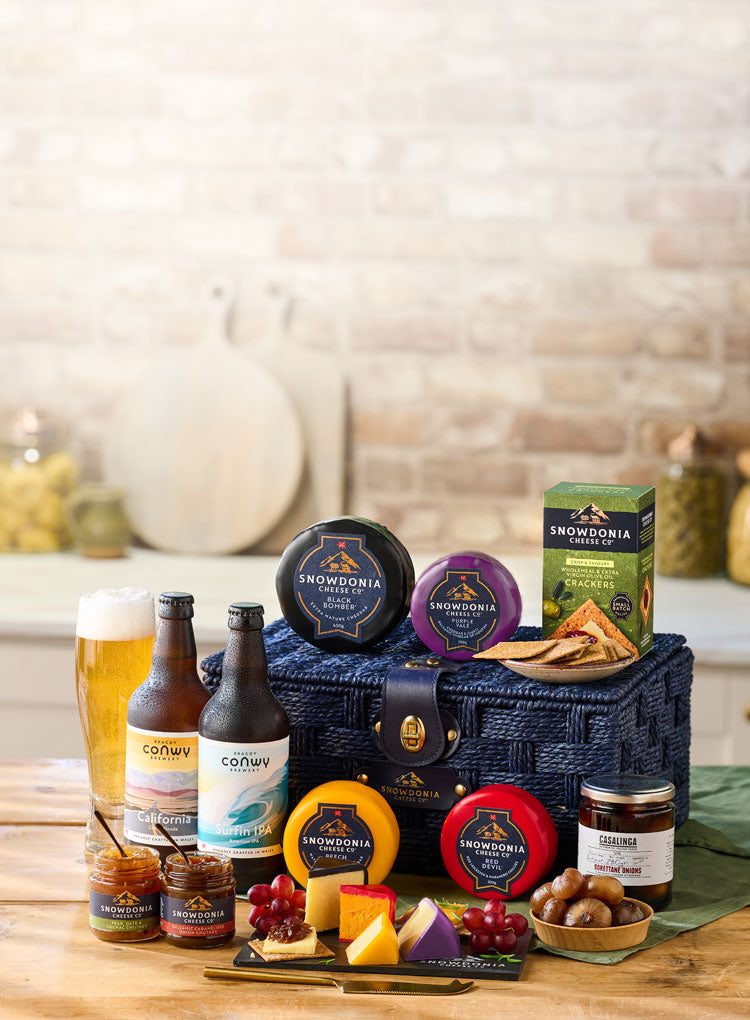
When selecting your beer pairings, consider matching the intensity of the food to the body of the beer. If your cheese is rich and complex, you need a beer with enough backbone to stand up to it.
High-Intensity Pairings (Bold Cheeses & Meats)
If your board features pungent blue cheeses or very spicy salami, you require something assertive. Stout beers are phenomenal here. Their roasted malts mimic the earthiness of aged meats and cut through the sharp ammonia notes of some blues like a hot knife through butter.
Medium-Intensity Pairings (Classic Cheeses & Meats)
For standard selections—Manchego, mild cheddar, and good prosciutto—you want something refreshing but with enough character to avoid being boring. A Saison or an Amber Ale works wonders. These beers often have citrus notes that pair naturally with fruit preserves and goat cheeses.
Low-Intensity Pairings (Soft Cheeses & Light Meats)
When the star is a fresh, delicate cheese (like a lemon-infused ricotta), don't overpower it. A crisp, dry Witbier or a light Pilsner provides enough carbonation to lift the flavors without adding any heavy notes that might overshadow the subtle taste of the cheese.
If you are assembling an entire charcuterie board hamper pairing beer and cheese, make sure your beer selection reflects this gradient—a trio is always safer than a single choice. Why rely on just one pour when variety is the spice of life?
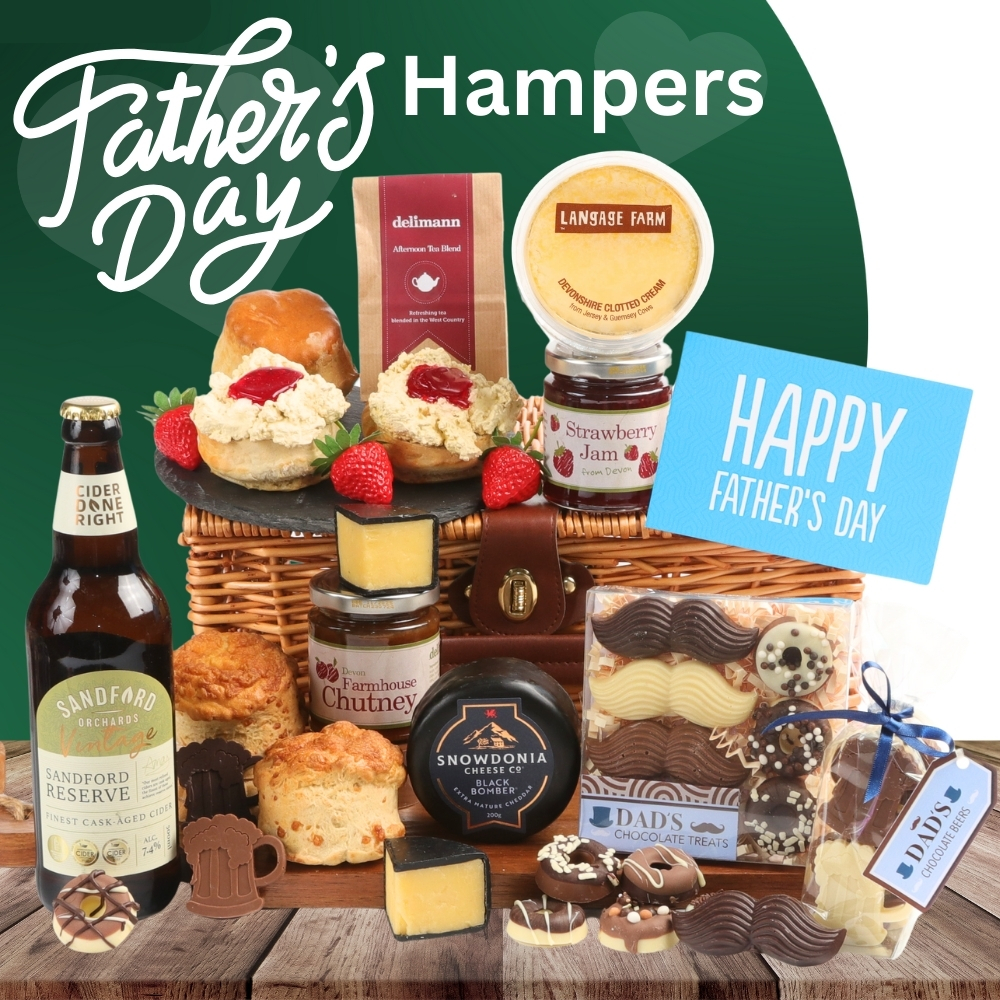
Crafting the Ultimate Hamper Experience
The final step is moving from theory to reality: creating a beautiful, functional gift or centerpiece. The presentation must be as exciting as the first bite. Remember that every item in this hamper should complement its neighbor, not compete with it.
When arranging the items, think of the board like an artist's palette. Group colors and textures together—the deep reds of cured meats near the golden crust of bread; the bright white of fresh cheese against the dark wood.
Consider these logistical tips for a flawless presentation:
- Temperature Control: Keep cheeses slightly cooler than room temperature until serving, but let them warm up just enough to release their full aroma right before guests arrive.
- Placement: Use small bowls for olives and pickles instead of simply piling them on the board. This keeps things looking curated and prevents moisture buildup.
- The Narrative: Every hamper should tell a story. When you present it, don't just say, "Here is cheese." Say, "This aged cheddar pairs beautifully with the smoky notes in this Belgian dark ale."
"Food pairing isn't just about chemistry; it’s about storytelling," suggests one renowned culinary expert. That narrative—the connection between the earthy wine, the salty prosciutto, and the malty beer—is what people remember long after they finish the last crumb.
Elevating Your Next Gathering to a Masterpiece Spread
A beautifully planned charcuterie board hamper pairing beer and cheese is more than just finger food; it's an activity that encourages conversation, laughter, and shared moments of pure indulgence. Don't treat this process as a chore—treat it as the centerpiece event itself.
To take your skills from proficient to phenomenal, start experimenting with regional pairings. Source cheeses and beers from the same region (e.g., Alpine cheese with German craft beer). This gives the whole experience a cohesive narrative that guests will appreciate. By focusing on balance, variety, and presentation, you ensure that every bite is a harmonious discovery. Start small—maybe just swapping out one type of bread or one style of mustard next week—and watch how quickly your culinary confidence grows.
A perfect board awaits those who are willing to learn the rhythm of contrast. Go forth, assemble, and let the pairings do the talking.