Taking the Pressure Off: How To Make Gift Shopping Stress-Free For Father’s Day?
There is a specific, almost mythical pressure surrounding Father's Day. It feels less like a celebration and more like Handcrafted Gifts an annual performance review—a high-stakes scavenger hunt where you must locate one single item that perfectly encapsulates your love, his interests, and the general concept of 'being appreciated.' You look at the aisles, scrolling past gadgets and novelty mugs, feeling the familiar dread: What if it’s not enough?
If this sounds painfully accurate, take a deep breath. Stop looking for the perfect gift, because frankly, the perfect gift doesn't exist. What exists is something thoughtful, unique, and bought with effort. Your goal isn't to solve an impossible puzzle; your goal is simply to make him smile and feel seen.
This year, let’s reframe the entire shopping mission. Forget the pressure. Think of it instead as a fun intelligence-gathering operation designed solely for connection. Here are four ways to navigate the madness and walk away feeling accomplished, not drained.
The Mindset Shift: Redefining "The Gift"
Before you even look at an Amazon listing or wander into a hardware store, we need to address the biggest source of stress: the expectation.
We often fall into the trap of thinking that value equals thoughtfulness. We assume a more expensive item means it will solve all relational problems. That’s simply not true. In fact, trying to buy something grand and generic is usually far less impactful than focusing on effort.
Here are three mental reframes to adopt right now:
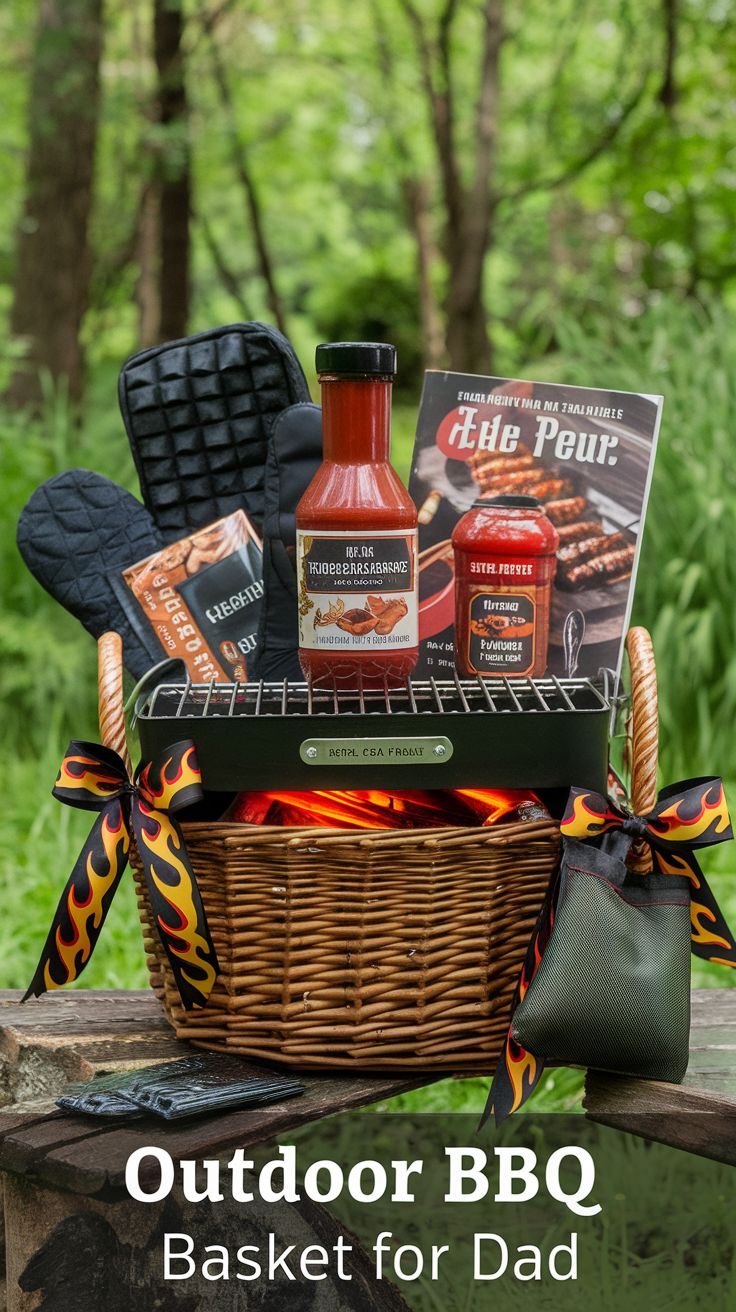
- The Effort Premium: The most powerful component of any gift isn't the receipt; it's the visible evidence that you spent time thinking about him specifically. Did you notice he complained last week his old coffee grinder was loud? That’s a clue. Did you remember he mentioned wanting to try grilling something exotic? That’s a clue. The act of listening is the gift, and the item is just the tangible reminder.
- The Anti-List Mentality: Don't start with categories (e.g., "He likes whiskey," or "He needs tools"). Instead, start by listing shared memories. What did you do together last summer? Were you hiking? Did you cook a messy meal? The gift should be an extension of that shared joy, not a brand-new topic entirely.
- The Rule of Three: If the shopping trip feels overwhelming, give yourself three small goals instead of one massive goal. Goal 1: Find one funny item for him to laugh at. Goal 2: Buy a snack/drink you know he loves. Goal 3: Get enough inspiration that you feel successful. This breaks the paralysis cycle.
Becoming a Master Investigator (The Clue Gathering Phase)
If you approach gift shopping like a detective, the stress evaporates. You aren't guessing; you are collecting data points. The key is to observe his life as it Tea Collection currently is, not as it could be.
How do you gather these subtle clues without interrogating him with questions like, "What do you want?" (A prompt that usually results in vague answers)?
- The Digital Footprint: Glance at the books or articles he reads online. Is there a specific historical period mentioned? A type of bird? A niche sport? These are golden nuggets.
- The Maintenance Haul: What does he use up regularly but never complains about? If his car needs oil changes, what kind of artisanal soap is his bathroom sink stocked with? The recurring replacement item tells you something fundamental about his routine and comfort level.
- The "Complaints" Journal: Keep a running list (mental or actual) of things he grumbles about—whether it’s the squeaky chair, the dull scissors, or the fact that finding good coffee beans is impossible. These complaints are your gift map.
I once had an uncle who spent all his free time tending to a chaotic backyard garden, complaining constantly about how difficult it was to keep the weeds out of reach. I assumed he needed fancy pruning shears (the obvious guess). Instead, I bought him a set of ergonomic kneeling pads and a beautifully organized seed catalog. The gift wasn't the tool; it was respecting his process—the joy of getting down on the dirt.
Beyond the Shelf: Choosing Experiences Over Objects
For many fathers who have "everything," physical gifts feel like hitting a brick wall. This is where the concept of experiential gifting saves the day. You are not buying an object; you are purchasing time and memory. These gifts require minimal shopping stress, but maximum emotional return.

Consider these non-material ideas:
- The Skills Swap: Does he love grilling? Don’t buy him a fancy grill—buy a voucher for a local cooking class focused on BBQ techniques. Or does he enjoy history? Buy tickets and an audio guide to the next museum exhibit you know he'll find fascinating.
- Curated Day Trips: Plan a half-day outing around a specific interest: visiting a microbrewery, going antique shopping in a specific neighborhood, or spending an afternoon at a botanical garden followed by lunch. The gift is the itinerary itself.
- The "Done For You" Coupon Book: This works especially well if you are short on time. Instead of generic coupons ("One Massage"), make them hyper-specific: " Coupon for One Weekend Morning (You pick the activity, I handle coffee and cleanup)," or " Coupon for One Deep Dive Conversation (No phones allowed; only memories allowed)."
The Final Polish: Making It Feel Thoughtful
Once you have your item—whether it's a pair of socks or plane tickets—the final steps are what elevate it from "nice gift" to "memorable moment." This is about presentation, not price.
- The Narrative Card: Don't just write "Happy Father's Day." Write a short paragraph that explains why you chose the item. Example: "I saw this coffee grinder and immediately thought of our early morning talks last month. I hope it helps you catch those perfect caffeine-fueled ideas." This connects the gift directly to your relationship, making it infinitely more valuable.
- The Perfect Pairing: Every thoughtful gift can be paired with a simple element that makes it feel complete—a gourmet snack, a favorite bottle of beer, or a handwritten playlist of songs that remind you of him.
At the end of the day, remember this: The most important thing he receives isn't an object; it’s the profound realization that his family is paying attention to him. As one parenting expert noted, "The gift of time and genuine presence far outweighs any monetary value." Focus on that connection, let go of the pressure, and enjoy the process. You've got this.